In geotechnical engineering, understanding the differences between rock bolts and soil nails is crucial for selecting the proper reinforcement solution. While both are used for ground stabilization, the differences between rock bolts and soil nails manifest in multiple aspects that directly impact project effectiveness and costs.
1. Distinct Working Principles
The differences between rock bolts and soil nails first appear in their load-bearing mechanisms:
1) Rock bolts use active reinforcement with pre-applied tension
2) Soil nails function passively, activating as the ground deforms
3) These differences between rock bolts and soil nails determine their suitable applications
2. Construction Process Comparison
The differences between rock bolts and soil nails become more evident during construction:
1) Rock bolts require complex procedures (drilling, grouting, tensioning)
2) Soil nails feature simpler installation, typically driven directly into soil
3) Recognizing these differences between rock bolts and soil nails helps optimize construction plans
3. Application Scenarios
Based on the differences between rock bolts and soil nails, their suitable applications vary:
1) Rock bolts are ideal for large slopes, tunnels, etc.
2) Soil nails better suit temporary support or simple stabilization
3) Mastering these differences between rock bolts and soil nails prevents technical misuse
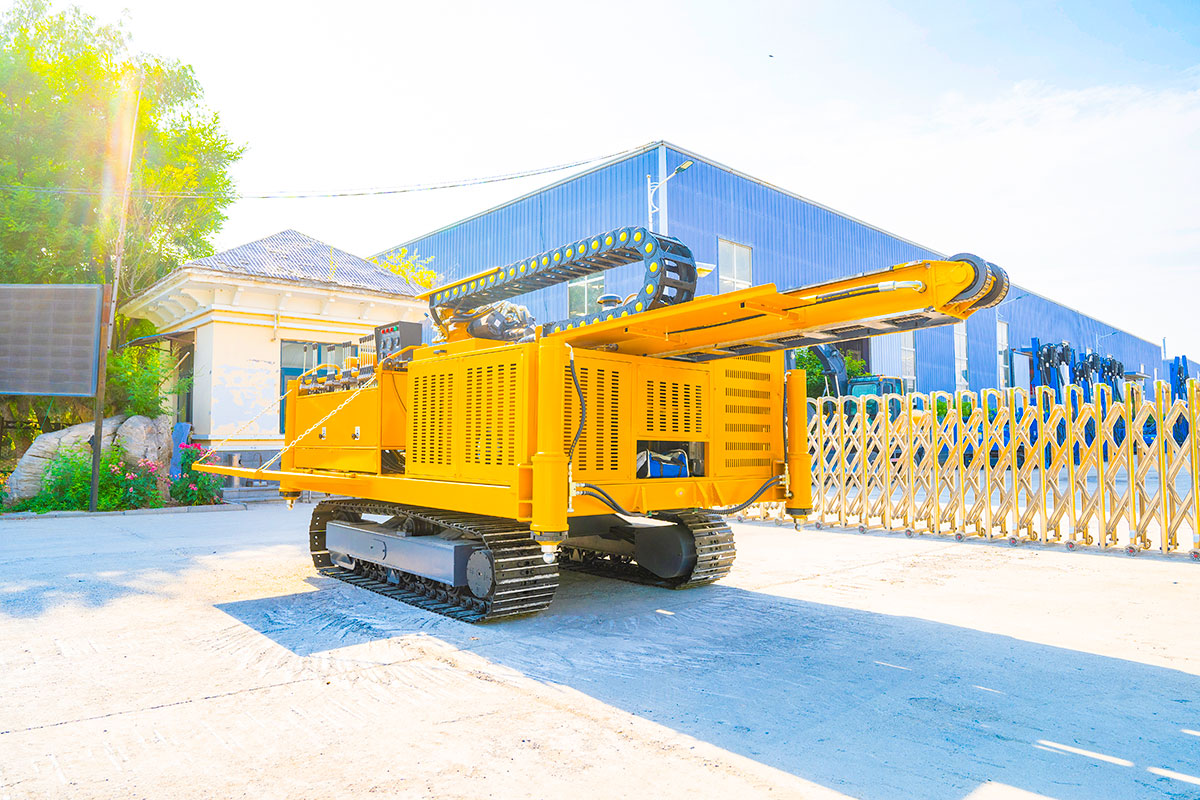
Hengwang HW15m Anchoring Drill Rig Introduction
For rock bolt construction needs, the HW15m rig features:
1) Modular design for easy relocation and setup
2) Alloy steel construction (lightweight yet durable)
3) Supports multiple drilling techniques
4) Safe operation with personnel kept away from boreholes
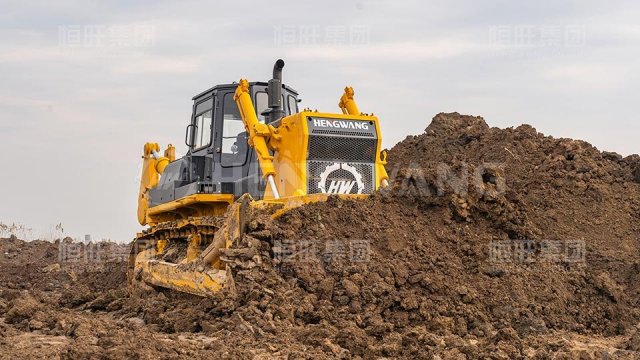 Road Leveling Bulldozer: The Core Guarantee for Efficient Road Construction
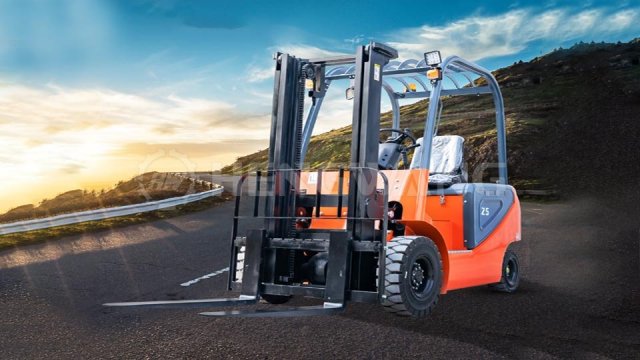 Off-Road Forklifts_ A Powerful Assistant for Complex Field Operations
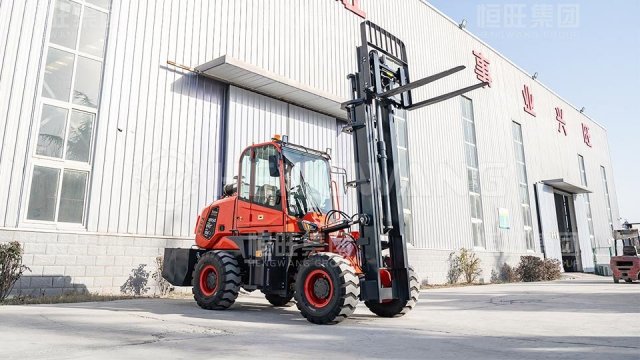 High-Load Off-Road Forklift: A Powerful Tool for Heavy-Duty Operations in Complex Environments


